

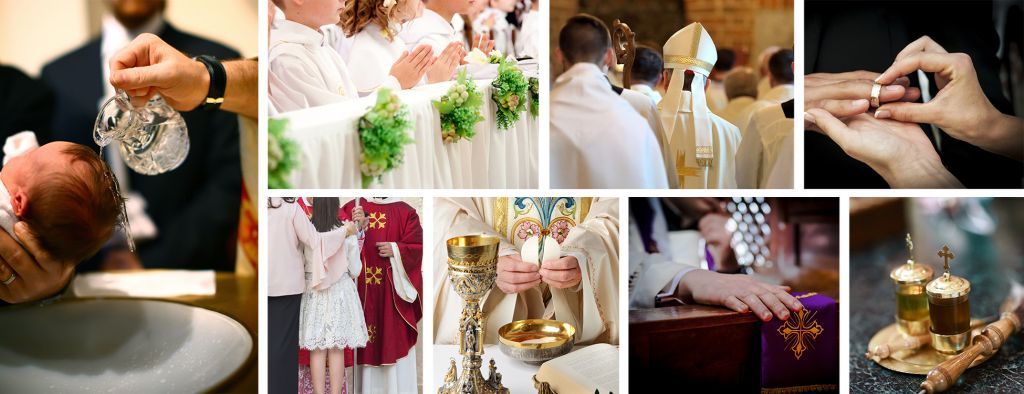
What are the Sacraments?
Baptism
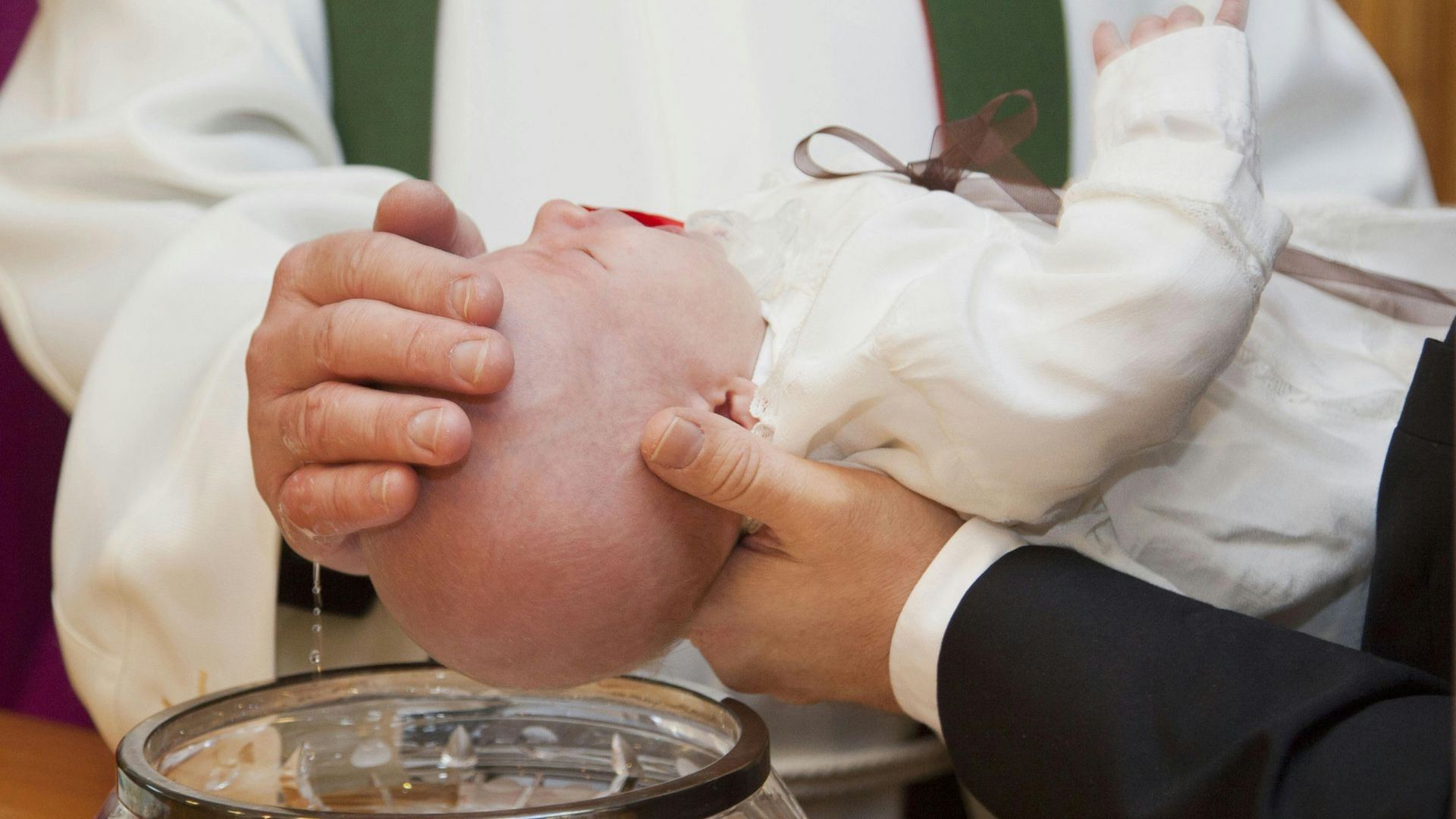
The Sacrament of Baptism ushers us into the divine life, cleanses us from sin, and initiates us as members of the Christian community. It is the foundation for the sacramental life.
At baptism, the presider prays over the water:
Father, look now with love upon your Church, and unseal for her the fountain of baptism. By the power of the Holy Spirit give to this water the grace of your Son, so that in the sacrament of baptism all those whom you have created in your likeness may be cleansed from sin and rise to a new birth of innocence by water and the Holy Spirit. (Christian Initiation of Adults, #222A)
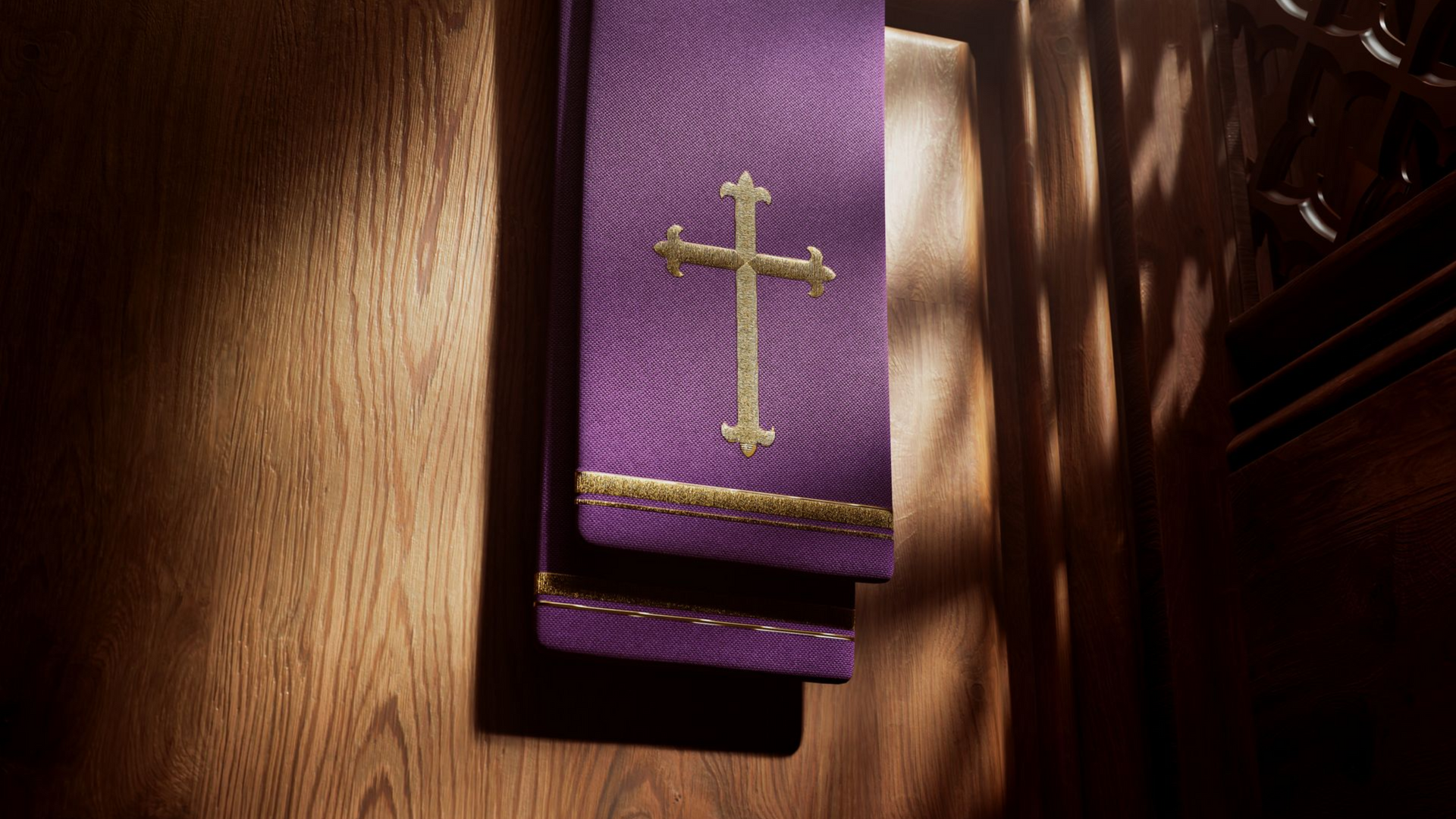
Reconciliation
There are four steps in the Sacrament of Reconciliation:
We feel contrition for our sins and a conversion of heart to change our ways.
We confess our sins and human sinfulness to a priest.
We receive and accept forgiveness (absolution) and are absolved of our sins.
We celebrate God’s everlasting love for us and commit to live out a Christian life.
Individual confession with a priest is the principal means of absolution and reconciliation of grave sins within the Church. The Sacrament of Reconciliation frees us from sinful patterns of behavior and calls us to complete conversion to Christ. Reconciliation heals our sins and repairs our relationships.
Eucharist - Communion
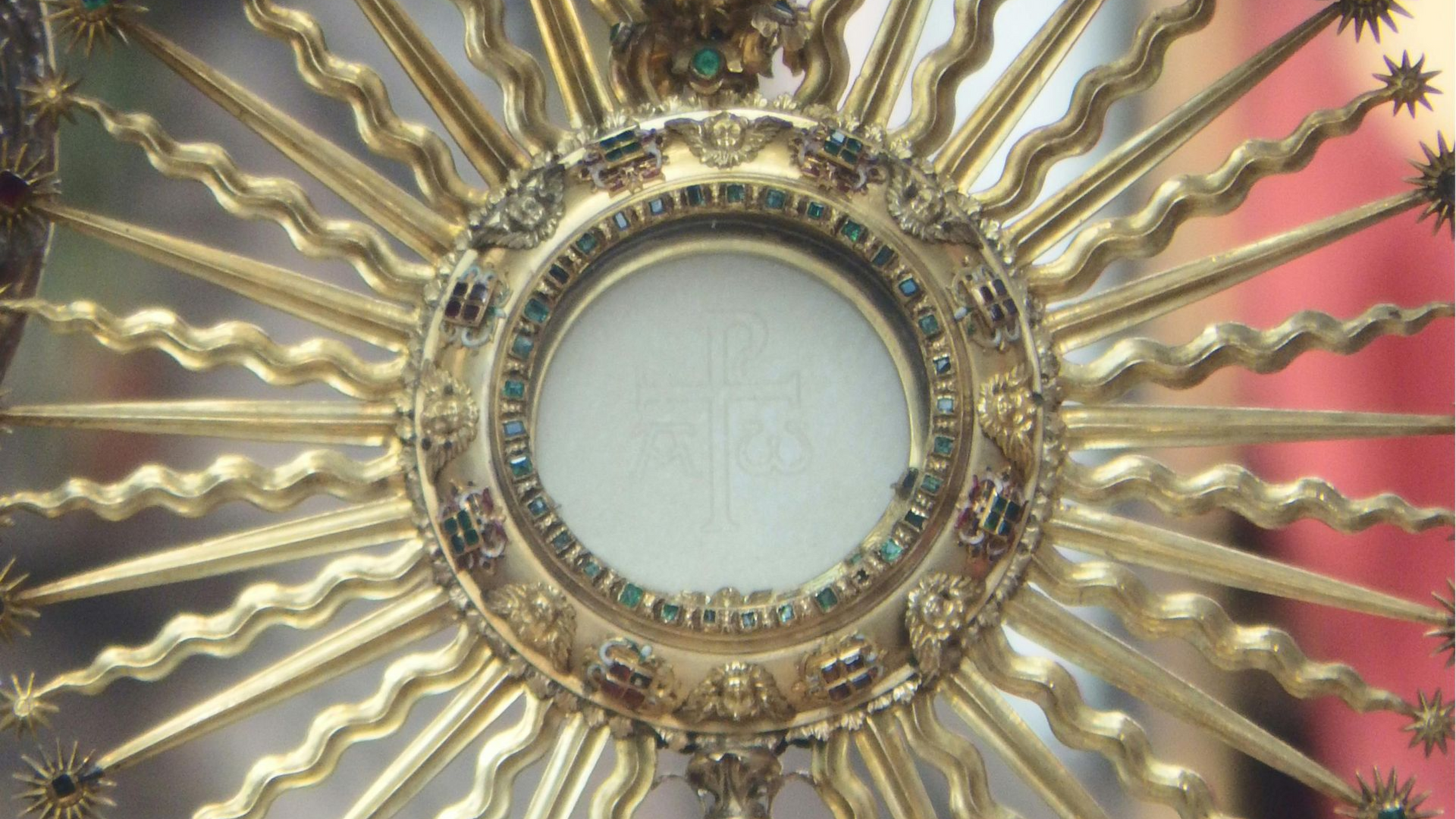
The liturgical life of the Church revolves around the sacraments, with the Eucharist at the center (National Directory for Catechesis, #35). At Mass, we are fed by the Word and nourished by the Body and Blood of Christ. We believe that the Risen Jesus is truly and substantially present in the Eucharist. The Eucharist is not a sign or symbol of Jesus; rather we receive Jesus himself in and through the Eucharistic species. The priest, through the power of his ordination and the action of the Holy Spirit, transforms the bread and wine into the Body and Blood of Jesus. This is call transubstantiation .
Confirmation
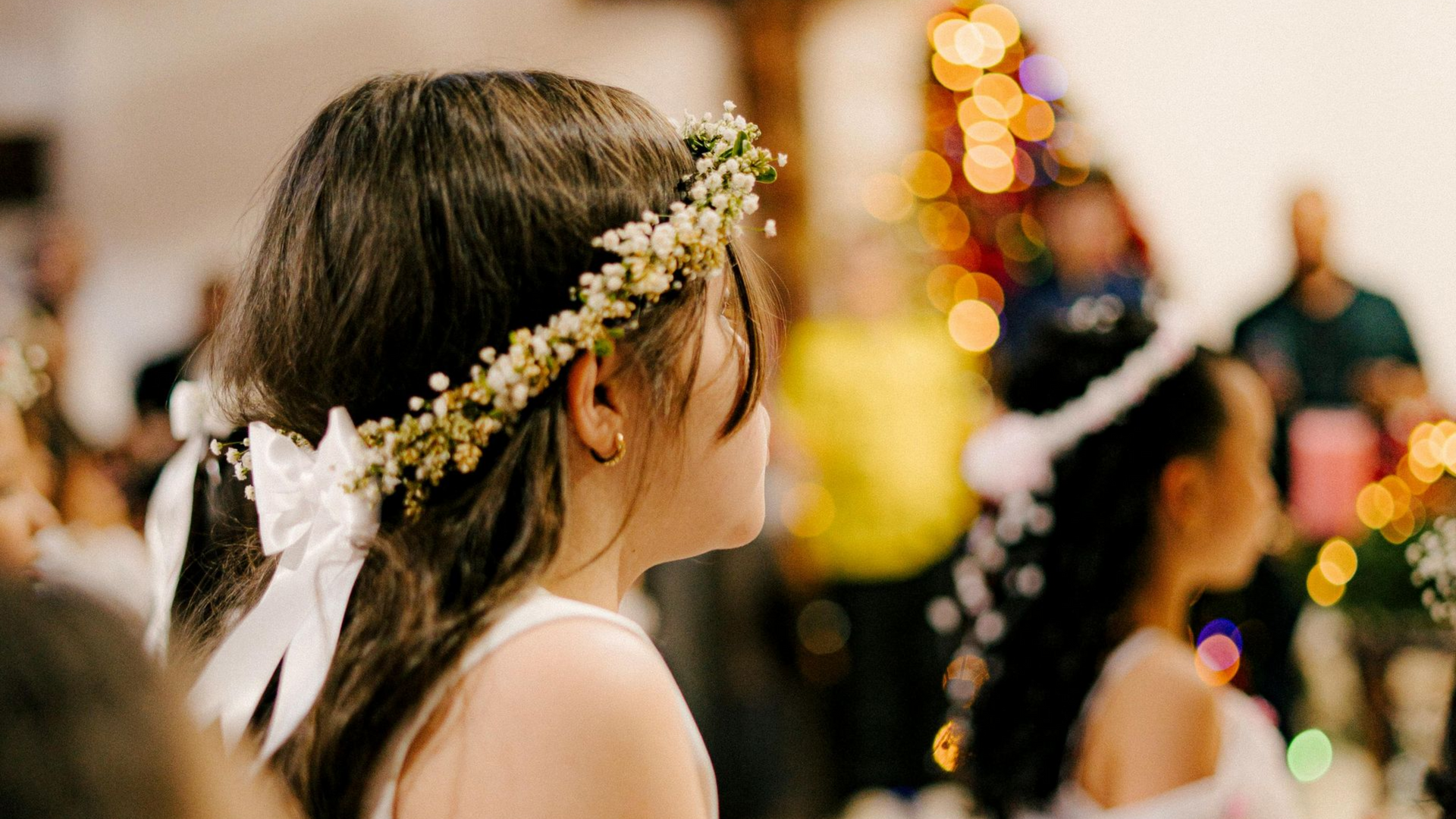
At Confirmation, we receive the gifts of the Holy Spirit and confirm our baptismal promises. Greater awareness of the grace of the Holy Spirit is conferred through the anointing of chrism oil and the laying on of hands by the Bishop.
Confirmation perfects Baptismal grace; uniting us with the Holy Spirit in order to root us more deeply in the divine filiation, incorporate us more firmly into Christ, strengthen our bond with the Church, associate us more closely with her mission, and help us bear witness to the Christian faith in words accompanied by deeds. (CCC 1316)
Anointing of the Sick
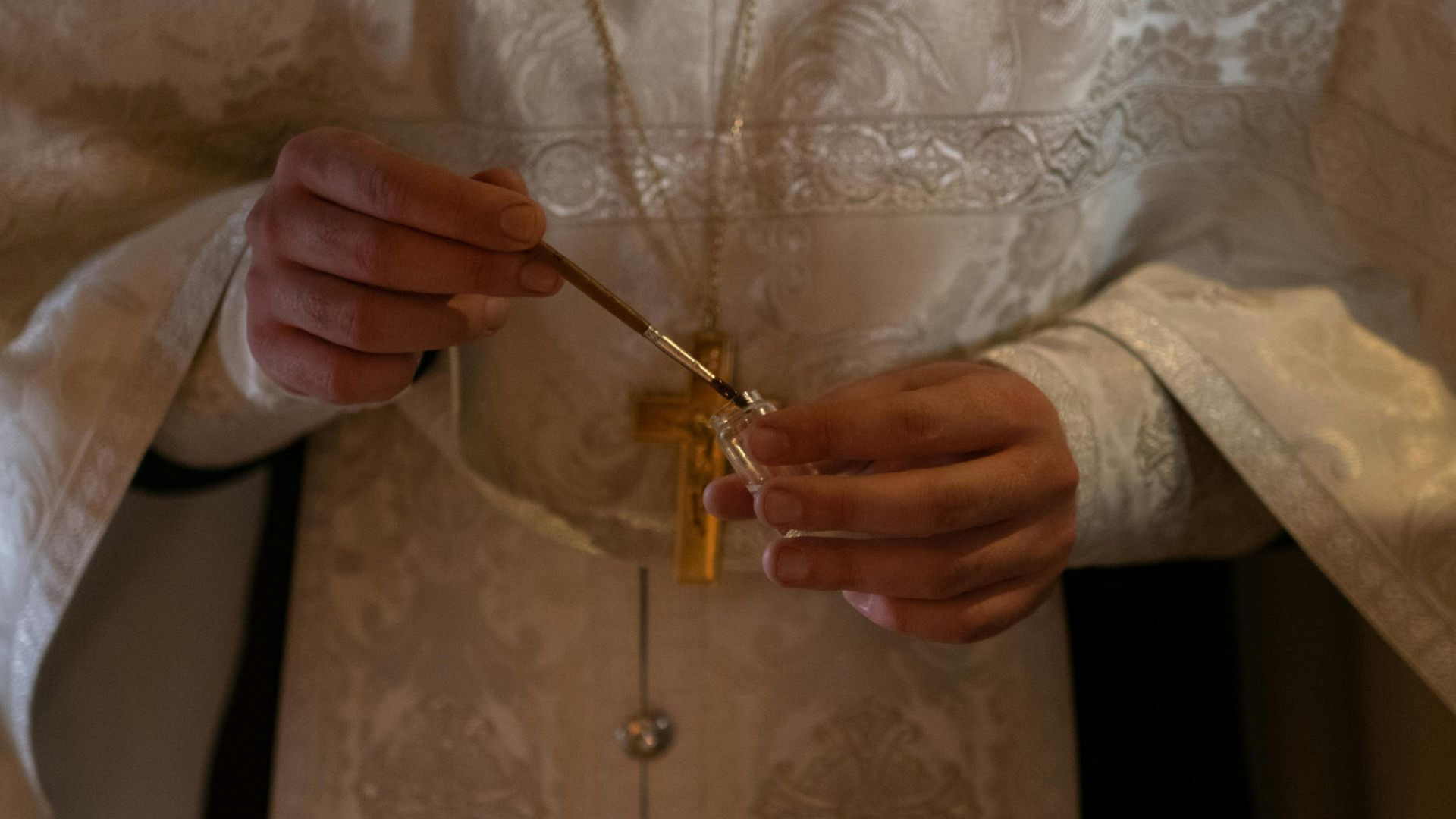
The Sacrament of the Anointing of the Sick gives strength and support and can be administered to anyone struggling with an illness.
Who May Receive?
In the Catholic Church, Extreme Unction or the Last Rites is the anointing at the time of death. Unlike the traditional understanding of the Last Rites, the sacrament of the Anointing of the Sick is, ideally, to be administered in a communal celebration.
Marriage
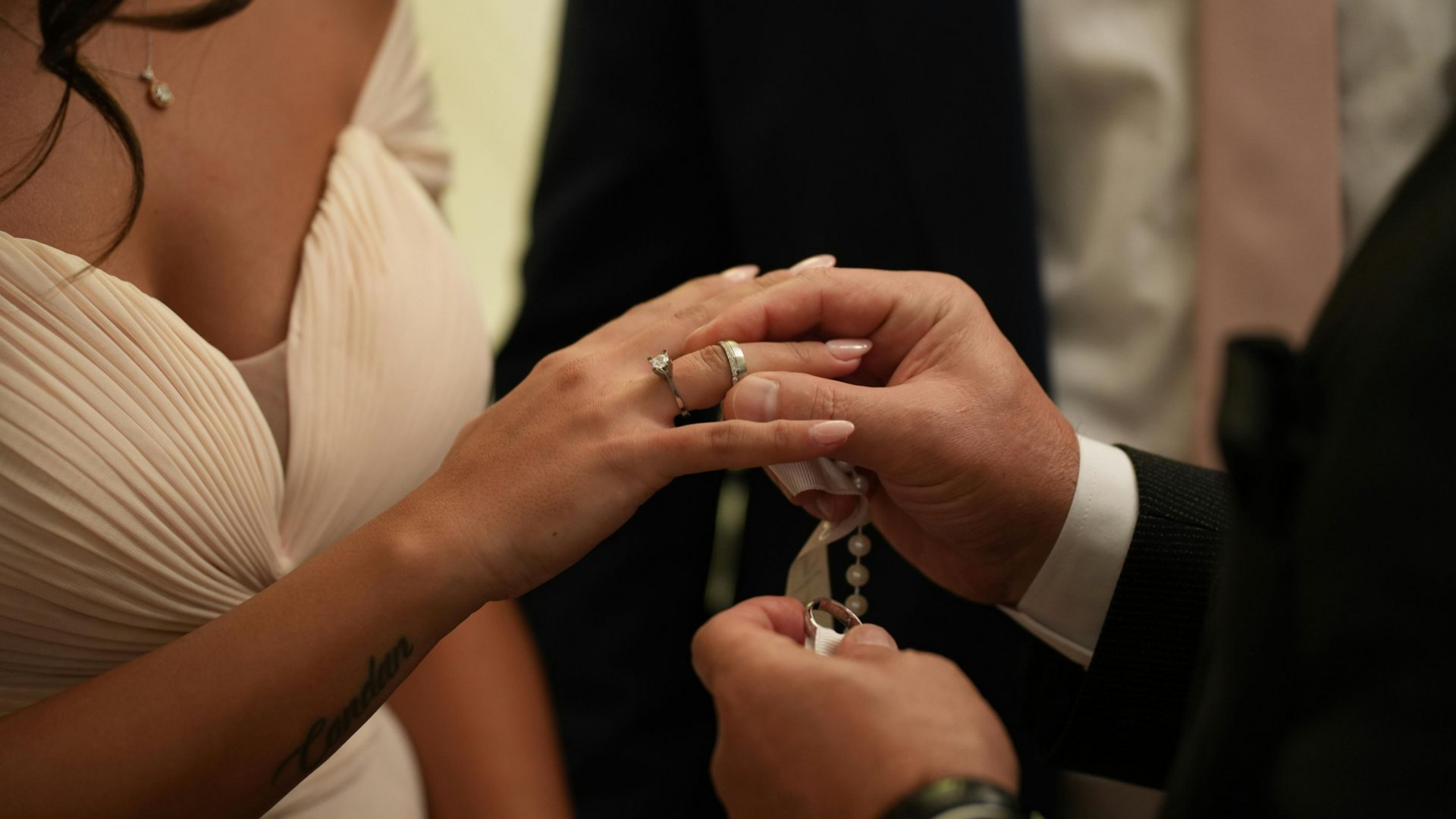
The sacrament of marriage is a visible sign of God’s love for the Church. When a man and a woman are married in the Church, they receive the grace needed for a lifelong bond of unity.
Marriage is a Covenant -
The Sacrament of Marriage is a covenantal union in the image of the covenants between God and his people with Abraham and later with Moses at Mt. Sinai. This divine covenant can never be broken. In this way, marriage is a union that bonds spouses together during their entire lifetime.
Holy Orders
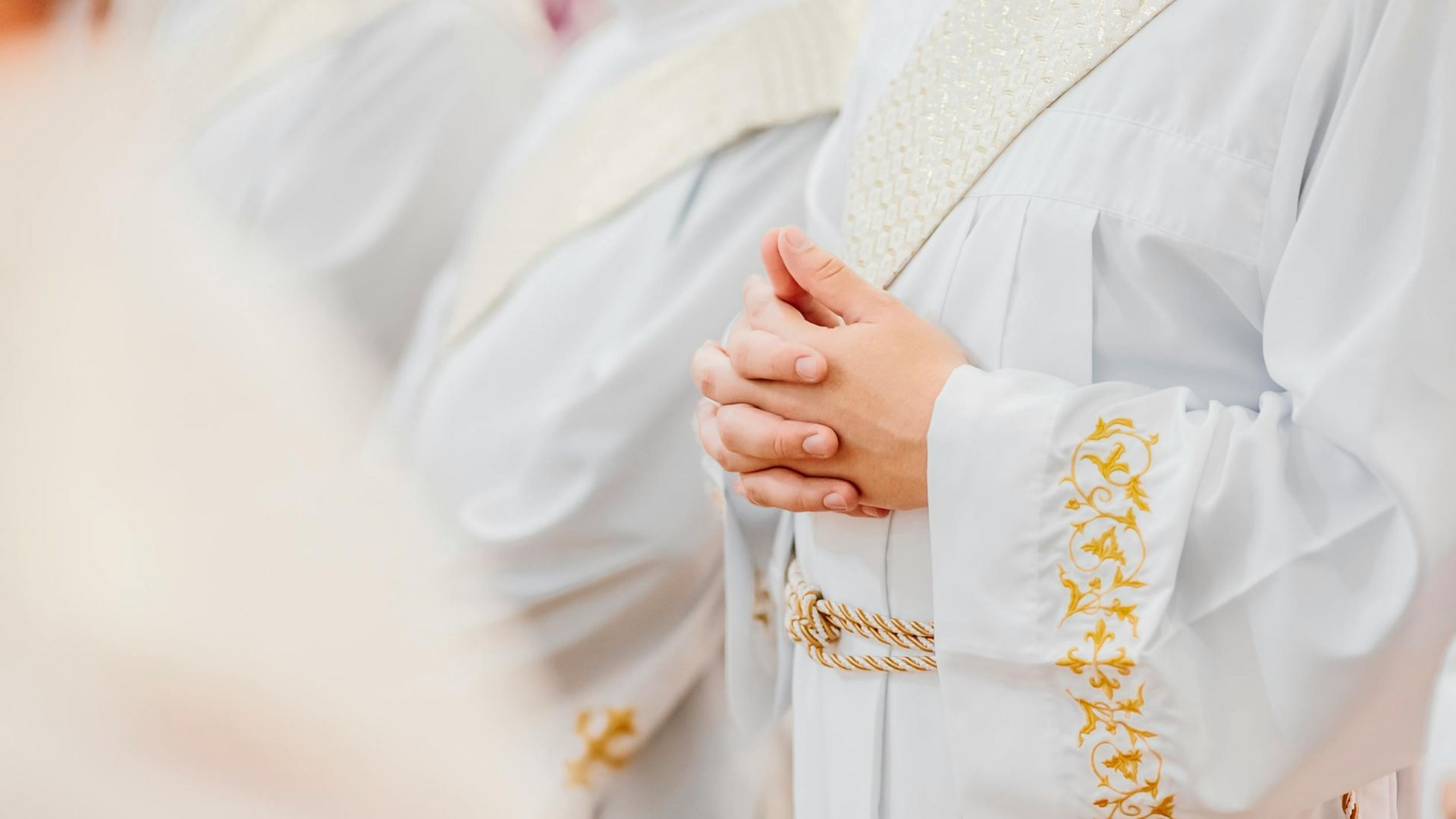
"Holy Orders is the sacrament through which the mission entrusted by Christ to his apostles continues to be exercised in the Church until the end of time…It includes three degrees of order: episcopate, presbyterate, and diaconate" ( CCC 1536). Deacons, priest and bishops are essential to the Catholic Church because we believe that they continue the work begun by the apostles.
The Church confers the sacrament of Holy Orders only on baptized men (viri), whose suitability for the exercise of the ministry has been duly recognized. Church authority alone has the responsibility and right to call someone to receive the sacrament of Holy Orders. (CCC 1598)